
Nonprofits are turning to artificial intelligence to reach supporters in smarter and more meaningful ways. As AI tools become more accessible, organizations can now analyze donor data, personalize communications, and predict giving patterns with greater accuracy.
The use of AI in the nonprofit sector is growing quickly, helping teams save time and maximize limited resources. Readers will see how these technologies streamline outreach, build stronger relationships, and boost fundraising efforts. This post introduces the key benefits and practical uses of AI that are shaping the future of donor engagement.
Overview of AI Adoption in Nonprofit Donor Outreach
Nonprofit organizations are moving quickly to integrate artificial intelligence into their daily work. As the demand for smarter outreach grows, AI-powered tools are no longer just for big tech companies or large charities. Now, even small nonprofits are finding effective ways to use AI to connect with donors and keep their support strong.
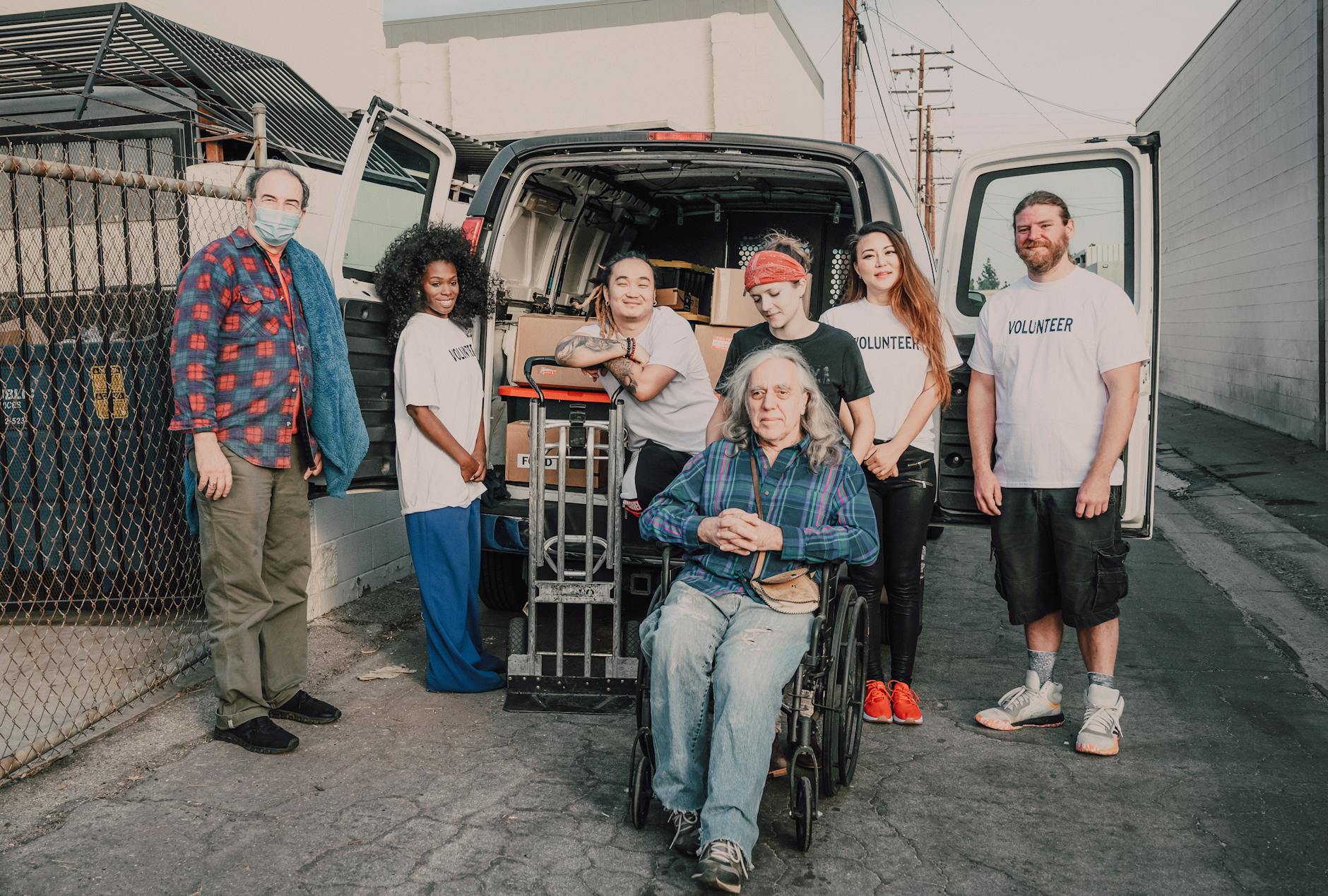
Photo by RDNE Stock project
Scale and Pace of AI Adoption
Recent studies show that by 2024, around 82% of nonprofits report some level of AI use. This is a big jump from just a few years ago, when most organizations had little or no experience with these technologies. Larger nonprofits are adopting AI at a faster rate—about 66% of those with budgets over $1 million use AI tools, compared to only 34% among smaller groups. The most common uses focus on internal tasks, but donor engagement is quickly becoming a central application.
While AI is making inroads, not every organization feels prepared. About 69% of nonprofits say they have not received formal training on AI, and the majority do not yet have clear policies in place for ethical use. Still, over half are trying out generative AI tools like chatbots for donor communications and brainstorming outreach ideas.
Main AI Applications in Donor Engagement
Nonprofits are tapping AI to improve how they find, reach, and retain supporters. Here are some of the most common ways AI is used in donor outreach and fundraising:
- Personalized Outreach: AI analyzes past giving patterns, tailoring messages to match donor interests and timing outreach for when supporters are most likely to give.
- Forecasting and Segmentation: Machine learning predicts which donors are most likely to respond, so teams can focus efforts where they count most.
- Content Creation: Generative AI, like chatbots, drafts emails and fundraising appeals, checks for errors, and helps brainstorm campaign ideas.
- Donor Relationship Management: AI-powered systems can automate thank-you notes, track engagement, and flag donors at risk of lapsing.
Though the technology is advancing, most nonprofits are still experimenting. Only 15% fully disclose their AI use in public materials, reflecting ongoing concerns about transparency, data privacy, and fairness. Adoption is likely to grow as organizations gain confidence, learn more about the risks, and see real fundraising results.
Personalizing Communications with AI Tools
Nonprofits are using artificial intelligence to raise the bar for donor communications. With access to smart tools, organizations can speak to supporters in ways that are both personal and purposeful. These advances let teams reach out at the right time and with the right message, making every contact more meaningful.
Predicting Donor Behavior
AI algorithms help nonprofits spot patterns in donor activity. By studying past donations, volunteer hours, or event attendance, these systems can forecast when a supporter might give again or when they might lose interest. This is more than just guessing—it’s a data-driven approach that guides action.
- Timely Reminders: AI flags when a donor’s giving cycle is coming up, so teams can connect before a supporter forgets.
- Lapse Prevention: The tools can spot early signs of disengagement, such as missed gifts or a drop in email opens. That lets staff step in with a well-timed note or call.
- Resource Focus: With these predictions, organizations put their efforts where they matter most—on donors who are ready to give or those on the brink of lapsing.
The result is less guesswork and more impact for each campaign.
Creating Segmented Messaging
A one-size-fits-all message can fall flat. AI-driven segmentation breaks supporters into groups based on what matters to them—past giving, event history, or even causes they care about. This takes personalization from name tags to content that truly connects.

Photo by Airam Dato-on
- Interest-Based Groups: Donors who supported animal rescue get different updates than those who champion youth education.
- Customized Appeals: Regular givers might receive invitations to join monthly programs, while first-timers get a welcome note and a story about recent impact.
- Dynamic Content: AI tailors subject lines, body copy, and even call-to-action buttons to boost open rates and engagement.
This approach helps donors feel seen, not just counted. With every message, supporters know their contributions are not only noticed but appreciated in ways that reflect their own interests.
Automating and Scaling Outreach
AI now gives nonprofits new ways to connect with donors, no matter how many supporters they have. With automation, even small teams can reach more people, answer questions faster, and keep donor relationships strong. These digital helpers make outreach consistent, reliable, and less time-consuming. Two of the most valuable tools are chatbots and automated follow-up systems.
Chatbots and Virtual Assistants: Staying Engaged Around the Clock

Photo by Pavel Danilyuk
Chatbots and virtual assistants have become the digital front desk for many nonprofits. Placed on websites or inside social media messaging, these AI tools serve donors day and night. They greet visitors, answer common questions, and guide new supporters.
Key benefits of using chatbots include:
- Instant answers: Donors no longer need to wait for office hours or email replies. Chatbots deliver prompt responses, keeping supporters engaged and informed.
- Guided giving: Bots can help a potential donor navigate the donation process or explain different giving options. This removes confusion and lowers barriers to giving.
- Data collection: While chatting, bots gather information about donor interests or concerns, helping organizations refine their outreach later.
- Polite consistency: Every supporter gets the same level of service, whether it’s their first visit or they’ve given for years.
Many nonprofits also use chatbots to share stories about their impact or to prompt visitors to sign up for events, boosting overall engagement.
Automated Follow-Ups and Acknowledgments: Keeping Donors Connected
Timely follow-ups can strengthen a relationship, but they take valuable time. AI solves this by sending automatic thank-yous, reminders about upcoming campaigns, or updates when gifts are put to work.
Here’s how automated systems add value:
- Immediate thank-yous: Donors receive a warm thank you message or receipt as soon as they give, which shows appreciation and builds trust.
- Personalized reminders: AI can nudge donors with reminders about recurring gifts, event registrations, or important deadlines.
- Milestone updates: Supporters get updates when their gift achieves a goal or reaches a project milestone, keeping them involved in the mission.
- Gentle re-engagement: If a donor’s support slows down, the system can automatically send a friendly prompt or share new opportunities to give.
Automated outreach helps organizations maintain regular contact without overwhelming staff. Each message feels personal and timely, making every donor feel valued. This ongoing connection not only secures repeat gifts but also encourages long-term loyalty.
Enhancing Fundraising Campaigns
Artificial intelligence is helping nonprofits make smarter decisions in their fundraising efforts. With AI, they can fine-tune their outreach, improve timing, and measure success in ways that were once out of reach. This leads to better donor relationships and stronger campaign performance.
Optimizing Campaign Timing and Messaging
AI works behind the scenes to find the best time and way to reach supporters. By studying past giving habits, email open rates, and online behavior, these systems highlight the moments when donors are most likely to respond.
- Personalized outreach windows: AI identifies patterns, like when donors usually open emails or respond to appeals, making it easier to send messages that actually get read.
- Automated reminders: If a donor gave last year during the holidays, AI can cue a reminder when that giving window comes around again.
- Testing and refining messages: Some organizations use AI to run small tests (“A/B tests”) on subject lines or message formats before sending out a full campaign. This helps them figure out which approach works better.
- Tailored communication: Systems learn if donors prefer short updates, impact stories, or facts and figures. They adjust the messaging style accordingly for higher engagement.

Photo by Kaboompics.com
AI helps nonprofits avoid sending generic messages at random times. This targeted approach makes donors feel recognized as individuals, not just numbers on a list.
Measuring and Analyzing Results
Tracking campaign results is as important as the initial outreach. AI gives nonprofits a clear view of what is working and what needs to change, with updates that arrive as soon as new data comes in.
- Real-time dashboards: AI-powered reporting tools display results right away. Teams can watch donation spikes in real time or track which messages prompted more clicks.
- Attribution modeling: AI can show which outreach channels (email, social, text) lead to more gifts so teams focus their energy where it counts.
- Automatic segmentation: The same technology separates donors who responded quickly from those who took more time, allowing for follow-up with the right touch.
- Strategy adjustments: When a campaign underperforms, AI recommends changes, like adjusting the ask amount or shifting communication channels, to improve the next appeal.
With AI, nonprofits no longer guess what works. They have clear data guiding their next steps, helping them build trust and boost donor retention. This ability to adapt in real time keeps fundraising efforts both efficient and effective.
Ethical Considerations and Challenges
The use of artificial intelligence in nonprofit donor outreach brings both promise and responsibility. AI can improve how organizations connect with supporters, but it also comes with unique ethical challenges. Nonprofits need to balance efficiency and personalization with the expectations and rights of their donors. When trust is at the core of giving, every decision about using technology carries weight.
Protecting Donor Privacy
Nonprofits depend on sensitive donor data—names, addresses, donation history, and sometimes even personal interests or motivations. AI systems process this information to personalize outreach, but handling such data demands strict privacy standards.
- Consent is essential: Organizations should let donors know how their information will be used and ask permission before collecting or analyzing data for personalized outreach.
- Clear data use policies: Nonprofits need to state how and why they collect data, who accesses it, and how long it is retained.
- Right to opt out: Supporters should have the option to request that their data not be processed by AI systems.
When privacy is respected, donors feel safe, which helps build lasting connections.
Securing Sensitive Information
AI tools often store and process large amounts of donor data, making security a top priority. A data breach can cause lasting damage to an organization’s reputation and erode trust.
- Robust cyber defenses: Encryption, strong passwords, and frequent security updates are essential for protecting donor information.
- Access controls: Only trained staff should have permission to use and manage AI tools with access to donor data.
- Regular audits: Organizations should review their security practices and systems to spot weaknesses before problems arise.
A commitment to strong security practices reassures donors that their generosity is handled with care.
Transparency in AI Use
Honesty about how AI is used in donor engagement is critical to maintaining trust. While some organizations are open about their use of advanced tools, others hesitate due to fear of negative perceptions.
- Clear communication: Nonprofits should explain where and how AI is used in donor communications or decision-making.
- Open reporting: Sharing the impact of AI-powered outreach helps donors understand the value these tools bring.
- Ethical guidelines: Publishing the principles that guide AI use signals accountability and a focus on fair treatment.
When donors understand the role of AI, they are more likely to feel respected and stay engaged.
Preventing Depersonalization
AI can make communications feel targeted, but if used poorly, it may lead to messages that seem cold or automated. The risk is losing the human touch that drives donor loyalty.
- Human review: Combining AI-generated drafts with personal oversight helps keep communications warm and genuine.
- Personal stories: Even with AI support, weaving in true stories and real impact can prevent messages from feeling generic.
- Tailored interactions: Use AI insights to help staff reach out personally, not just send mass automated emails.
By striking a balance between automation and personalized care, nonprofits can keep donor relationships strong.
Maintaining Trust While Using AI
Nonprofits can manage ethical risks while still benefiting from AI in their outreach by following a few key practices:
- Build policies that respect privacy and security.
- Stay open about data use and the role of AI.
- Review and update processes to reflect donor feedback and new challenges.
- Keep communications as human as possible, even with the help of smart tools.
When nonprofits treat donor information with care and prioritize clear, honest engagement, they lay a foundation for trust that supports their mission for years to come.
Conclusion
Nonprofits now see real results from using AI in donor outreach. These tools help teams save time, increase fundraising, and build stronger supporter relationships. Personalized communication, smarter campaign timing, and real-time analytics are making a measurable difference.
Still, challenges like data privacy, ethical use, and fair decision-making must stay at the forefront. Nonprofits should commit to responsible practices, including staff training and transparent communication. As AI becomes more accessible, care and clear policies are essential to protect trust and maximize positive outcomes for both organizations and their communities.
Thoughtful adoption allows nonprofits to stay effective and resilient in a changing world. Thank you for reading and considering how your organization might benefit from these advancements.



Leave a Comment