
SIM swapping remains a serious threat in 2025, with attackers refining their methods to bypass security layers. They often use social engineering and insider information to hijack phone numbers, gaining control over accounts tied to those numbers. Users managing sensitive accounts or digital assets face the highest risks since a successful swap can lead to identity theft or financial loss. Understanding these attack tactics and applying effective mitigation steps is essential to protect personal information and digital assets in today’s environment.
What is SIM Swapping and Why Does it Matter in 2025?
SIM swapping is a type of identity theft where an attacker takes control of your phone number by tricking your mobile carrier into transferring your number to a SIM card they own. Once the swap is complete, the attacker can receive your calls, texts, and most importantly, two-factor authentication (2FA) codes sent via SMS. This allows them to bypass security on various accounts linked to your phone number, such as email, social media, and banking.
In 2025, SIM swapping remains a powerful tool for criminals because phone numbers continue to be a critical key for account recovery and verification. Unlike passwords, a phone number is tied to physical hardware and often overlooked as a vulnerable point in your digital security. The stakes are higher now because more services rely on SMS-based verification, and attackers have become more sophisticated.
Why SIM Swapping Is a Serious Risk Today
- Direct Access to Sensitive Accounts
When attackers control your phone number, they effectively control your online identity. They can reset passwords, intercept security alerts, and access financial apps. The damage can be immediate and severe, including unauthorized bank transfers and identity fraud. - Increased Sophistication of Attacks
Today’s attackers use social engineering to gather personal information. They may impersonate you or someone you know to convince carrier employees to approve a SIM swap. This social manipulation has become more convincing with the rise of data breaches and social media exposure. - Growing Use of SMS for 2FA
Despite better security options like authenticator apps, many services still rely heavily on SMS codes. This reliance makes SIM swapping particularly effective, as it targets the weakest link in your security chain—your mobile number. - Financial and Legal Consequences
Victims may face not only financial loss but also the lengthy process of restoring their identity and accounts. For businesses, a SIM swap attack on an employee’s number can lead to data breaches and regulatory penalties.
How SIM Swapping Happens in 2025
Attackers focus on three main tactics:
- Social Engineering at Carriers: Calling customer support and claiming to be the victim, providing personal details gathered online to convince representative to move the number.
- Data Breaches and Phishing: Collecting personal data from leaks or through phishing emails to answer security questions during the swap request.
- Insider Threats: Colluding with or bribing mobile carrier employees who have the power to authorize SIM swaps without proper checks.
Why You Should Care
SIM swapping isn’t just a technical issue; it’s a personal and financial risk. If you value your privacy, financial security, or digital identity, understanding SIM swapping is essential. It’s not about paranoia—it’s about recognizing a clear and present danger that targets the link connecting your physical device to your online life.

Photo by Matias Mango
Understanding SIM swapping prepares you to spot the warning signs, tighten your security, and avoid becoming a victim in the rapidly changing threat landscape of 2025.
Modern SIM Swapping Attack Tactics in 2025
SIM swapping attacks have become more complex in 2025. Attackers no longer rely solely on convincing carrier representatives over the phone. They exploit new technologies and older network vulnerabilities to take control of phone numbers with less resistance. Understanding the latest tactics helps you see how attackers get around traditional defenses and why protecting your number requires vigilance beyond passwords.
Exploiting Carrier Support and Weak Verification
Carriers remain a major target because their customer support often has the final say in approving SIM swaps. Despite improved security policies, many still rely on outdated verification methods like asking personal questions or confirming recent call details. Attackers gather this information through data breaches, social media, or phishing.
Some common tactics include:
- Impersonation with stolen personal data: Attackers use real identity details to sound credible.
- Social engineering variations: They exploit human error by pressing support staff for quick decisions or posing as high-value customers.
- Abuse of secondary authentication: In some cases, the attacker exploits weak backup contact methods or outdated security questions.
These gaps in carrier support let attackers push fraudulent SIM swaps through with relative ease. Carriers that fail to adopt stronger, multi-factor verification risk exposing millions of customers.
Targeting eSIM and Remote Provisioning
With the rise of eSIM technology, attackers have shifted to new attack surfaces. Unlike physical SIM cards, eSIMs can be provisioned remotely, which means swapping can happen without the attacker having to visit a store or receive a physical card.
Attackers exploit weaknesses in eSIM activation processes by:
- Phishing for activation codes or QR scans that enable provisioning on a new device.
- Targeting mobile apps or portals where users manage their eSIM profiles but lack strong authentication.
- Intercepting remote provisioning messages or QR codes sent via less secure channels.
Because eSIM technology enables faster swapping, attackers can complete their SIM swap and access accounts almost instantly. This reduces the window for users or carriers to detect suspicious activity.

Photo by Mikhail Nilov
Bypassing Security with SS7 and Diameter Protocol Manipulation
Beyond social engineering and provisioning weaknesses, attackers exploit vulnerabilities in core telecom signaling protocols like SS7 and Diameter. These protocols facilitate communication between mobile networks worldwide but were not designed with modern security threats in mind.
SIM swapping attackers use:
- SS7 interception: They trick the network into routing calls and SMS to their device by exploiting flaws in signaling messages.
- Diameter protocol abuse: For LTE and 5G networks, attackers manipulate Diameter authentication to redirect traffic or force re-registration of the victim’s number.
These methods allow attackers to bypass carrier verification entirely and hijack phone numbers silently. They give attackers persistent access to SMS-based two-factor codes without triggering alerts from carrier support.
Together, these tactics present a layered risk. The old and new methods combine to create more avenues for attackers to succeed, making SIM swapping harder to detect and prevent in 2025. Staying informed about these techniques helps you anticipate threats and take stronger security measures.
Real-World SIM Swapping Incidents and Trends
SIM swapping attacks continue to rise and evolve, impacting individuals and businesses worldwide. These incidents reveal how attackers exploit weaknesses in mobile networks and human factors to gain control over phone numbers. As we look at real cases and trends in 2025, the picture shows increasing sophistication and greater consequences for victims. Understanding these examples sheds light on where the vulnerability lies and why urgent action is needed.
High-Profile SIM Swapping Cases
Several well-documented cases demonstrate the direct damage caused by SIM swapping. Hackers targeted celebrities, crypto holders, and ordinary users to steal money or information. Here are key highlights:
- Crypto Wallet Thefts: Attackers took control of phone numbers linked to cryptocurrency accounts. By intercepting SMS-based 2FA, they drained wallets worth millions. These incidents often involved phishing combined with SIM swaps.
- Social Media Account Takeovers: Several public figures had their accounts hijacked. The attackers used the stolen phone number to reset passwords and post fraudulent messages, damaging reputations or spreading scams.
- Financial Fraud: Some victims lost large sums when attackers gained access to banking apps through SIM swapping. Even short windows of control allowed them to initiate wire transfers or buy digital assets.
These cases often start with attackers gathering personal data from leaks or social networks, then contacting carriers to request a SIM swap while impersonating the victim.
Emerging Trends in SIM Swapping Attacks
The nature of SIM swapping attacks is shifting, with new methods and targets appearing in 2025:
- Rise of eSIM Exploits: Attackers focus more on remotely switching eSIM profiles, which do not require physical SIM cards. This makes attacks faster and harder to detect since no in-person action is needed.
- Targeting Corporate Employees: Instead of individuals, attackers increasingly aim at employees with access to company resources. Compromising a single phone number can lead to broader data breaches.
- Use of Insider Access: Some incidents involve collusion with or bribery of carrier staff. This trend highlights the need for stricter internal controls within telecom providers.
- Multi-Stage Attacks: Attackers combine SIM swapping with phishing, malware, and social engineering to increase success rates and bypass layered defenses.
Patterns in Victim Profiles and Attack Vectors
Victims of SIM swapping tend to fall into a few categories based on attacker goals and methods:
- High Net-Worth Individuals: Those holding valuable digital assets or with significant online presence are prime targets.
- Social Media Influencers: Their accounts are lucrative for spreading scams or ransomware.
- Regular Consumers: Many victims are ordinary users caught in broad phishing campaigns or mass data breaches.
Attackers often exploit common vulnerabilities such as reused passwords, weak carrier authentication, and reliance on SMS for critical verification.
Lessons from Real-World Incidents
Real cases show that SIM swapping is rarely a stand-alone attack. It fits into broader fraud schemes and often succeeds because of:
- Weak carrier security checks
- Excessive trust in SMS-based 2FA
- Easy access to victim data on social networks or leaks
These incidents underline the need for users to minimize reliance on phone numbers for security and for carriers to improve swap verification processes.
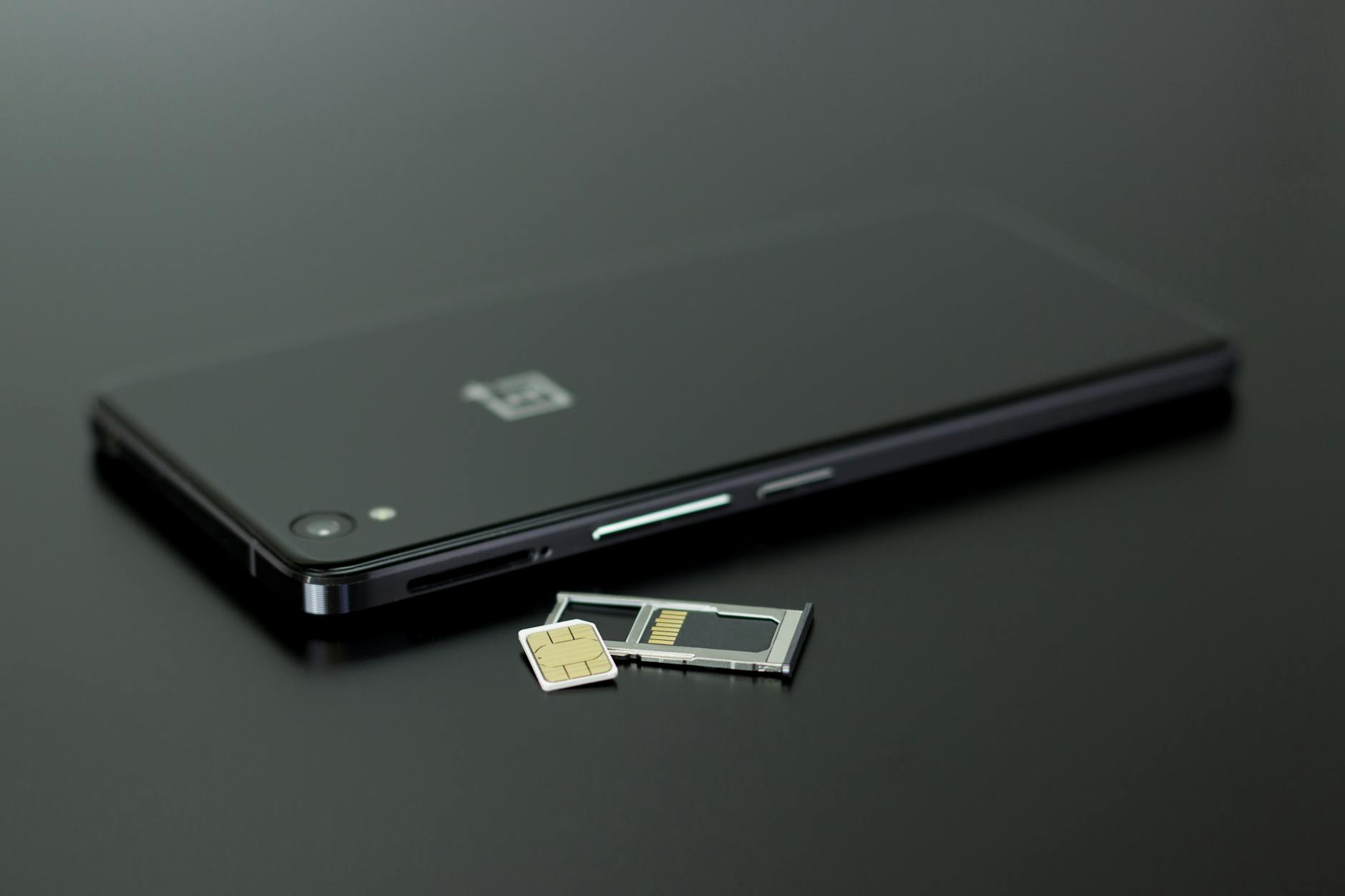
Photo by Silvie Lindemann
By studying recent SIM swapping incidents and trends, users can better recognize risks and adopt stronger protections to secure their phone numbers and accounts.
Mitigation Steps: How to Protect Yourself Against SIM Swapping
Protecting yourself against SIM swapping requires more than just strong passwords or cautious behavior online. Attackers now exploit the vulnerabilities in how authentication and carrier accounts are managed. To stay ahead, you need to understand the right steps to reduce your risk. This section breaks down key actions to strengthen your security and limit exposure.
Shifting from SMS 2FA to More Secure Options
Relying on SMS-based two-factor authentication (2FA) is like locking your front door but leaving a window open. SIM swapping attacks specifically target this weak point by intercepting SMS codes. Moving away from text message 2FA significantly cuts your risk.
Consider these alternatives:
- Authenticator apps: Apps like Google Authenticator or Authy generate time-sensitive codes on your phone. They don’t depend on your mobile number, so SIM swapping can’t intercept them.
- Hardware security keys: Devices like YubiKey provide physical proof of identity. They require you to have the key plugged in or tapped, making unauthorized access extremely difficult.
- Biometric verification: Some services now support fingerprint or face recognition as a second factor, adding a layer that can’t be transferred via SIM.
Switching to these options helps close the door attackers use for SIM swapping, reducing the effectiveness of their attack.
Securing Carrier Accounts with Additional Protections
Your mobile carrier account is the front line in the fight against SIM swapping. If attackers gain control here, they can transfer your number instantly. Strengthening your carrier account should be a priority:
- Set up a unique PIN or passphrase: Many carriers allow you to add a separate PIN that must be provided before any changes or swaps. Choose a code that isn’t related to your birthday or easily guessed numbers.
- Enable additional carrier security features: Some providers offer extra services like account freeze or port-out blocking. Activating these can prevent unauthorized SIM swaps or transfers.
- Use secure communication channels: Contact your carrier only through official apps or verified phone numbers. Avoid confirming sensitive information over unsecure emails or third-party sites.
- Monitor account activity: Regularly check account details and recent changes. Immediate reporting of suspicious activity can halt an attack in progress.
Taking control of your carrier account’s security makes unauthorized swaps much harder.
Adopting Stronger Personal and Organizational Security Practices
Good security around your phone number extends beyond carriers and 2FA. Both individuals and organizations must adopt strong habits to reduce attack surfaces:
- Limit personal data exposure: Attackers often gather details like birthdays, addresses, or security question answers from social media or data breaches. Keep this information private or minimal online.
- Use unique, strong passwords for all accounts: Password reuse across sites makes it easier for attackers to build a profile or access linked accounts after a SIM swap.
- Educate employees and family members: Social engineering is a key tactic. Teaching people to recognize phishing attempts and verify identity requests reduces chances of falling prey to attackers.
- Implement layered authentication for sensitive accounts: This includes using multi-factor methods beyond SMS and adding account recovery options that don’t rely solely on your phone number.
By combining these measures, you build a defense that makes SIM swapping much less effective and easier to detect early.

Photo by Jan van der Wolf
Conclusion
SIM swapping remains a significant threat in 2025, fueled by evolving attack tactics and persistent weaknesses in mobile carrier security. Users must move beyond relying on SMS-based two-factor authentication and adopt stronger protections like authenticator apps, hardware keys, and carrier account safeguards.
Minimizing personal data exposure and improving security habits reduces the chances of falling victim to these increasingly sophisticated attacks. The risk is not only financial loss but also long-term damage to identity and privacy.
Taking immediate steps to secure your phone number and accounts can stop attackers from exploiting this vulnerability. Staying informed and cautious protects your digital life from SIM swapping risks.
For insights on related security measures, consider exploring recent developments in Artificial Intelligence News, which also impact digital security practices.

Leave a Comment